Religion and spiritual beliefs in Thailand are complex topics. While this article does not go into great depth, it might go a long way towards helping you understand some of the many facets of religion and spiritualism in Thailand that might otherwise leave you a little bewildered and confused.
Religion and spiritualism play a major role in the daily life of Thai people.
Thailand’s culture, people, architecture, and traditions are influenced by Buddhism, Hinduism, and Animism, which all have their own unique roles in Thai life and culture, yet there is a unique fusion of them.
Understanding ‘Thailand’s Spiritual Fusion’ will give you valuable cultural and social insight. Don’t worry; my knowledge of the subject is far from vast, so this will be a basic introduction in layman’s terms.
It is Buddhism that life’s major events are centered around, and Buddhism serves and shapes the major events for the majority of people in Thailand.
According to the Buddhist faith, you might have lived on this earth during a past life but in a different form or status. The physical form and future life of a newborn may depend on the karma gained or lost in that previous life.
Newly Weds are bound by vows according to the Buddhist faith. Upon death, the cremation pyre of the local Buddhist temple is the last place their body can be seen in its present form, and the last time friends and family can make their peace, make merit for the deceased, and say farewell.
Most Thai men will serve as novice monks at some point in their lives; after they have devoted their selves to and learned the way of Buddha, they are considered to be “truly a man.”
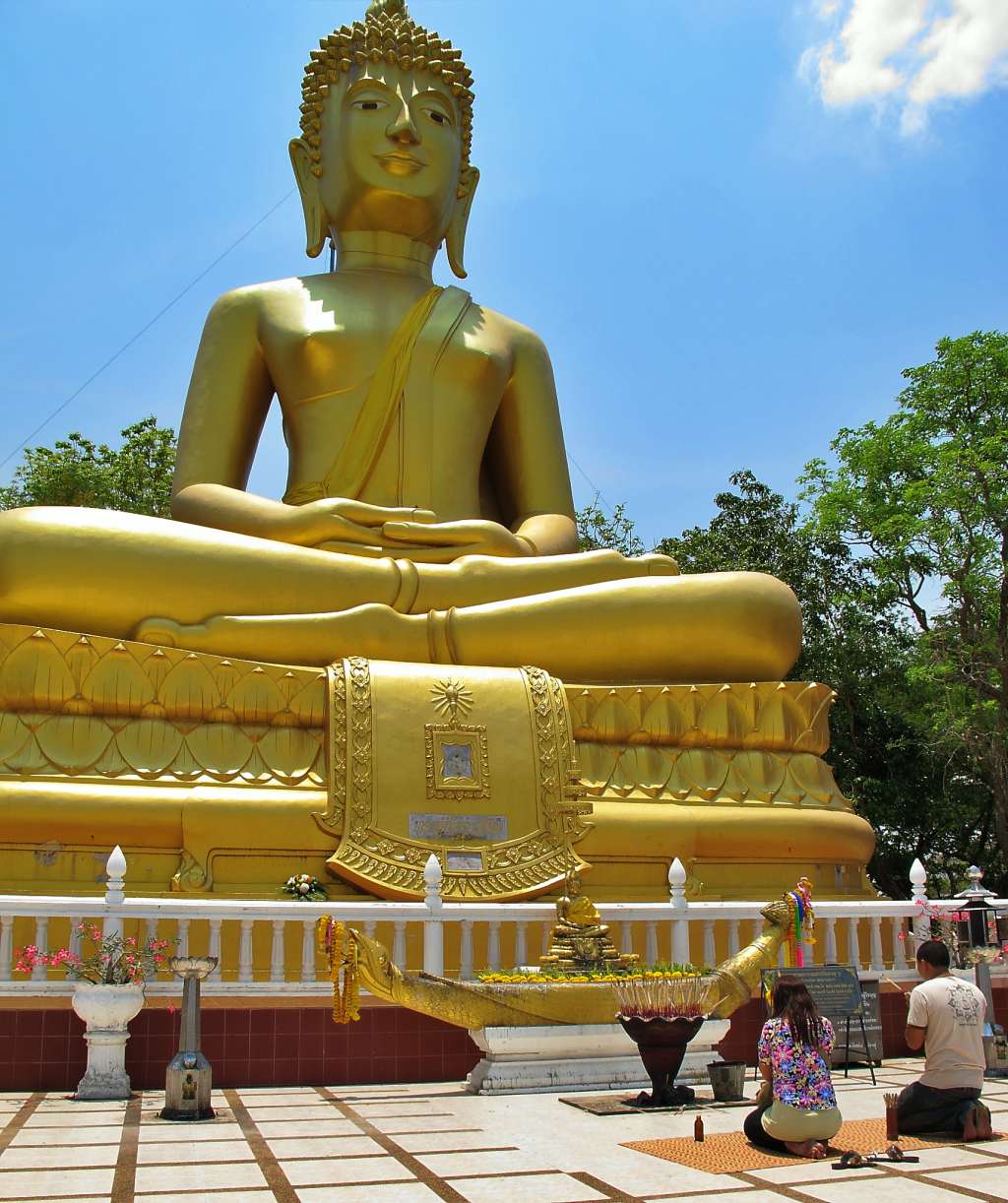
There is no doubting the influence of Buddhism in Thailand. An estimated 92–94 percent of Thais are Buddhist but have incorporated Animism and Hinduism into their Buddhist beliefs and rituals.
Animism (spirit worship) probably consumes as much of an average Thai person’s time as any other religion or faith. But whereas Buddhism determines life’s principles and goals for the majority of Thai people, Animism is a force that must be respected and has certain protocols that must be followed by those who believe in the power of the spirit world.
Hindu influences have played a key role in Thailand’s history and culture, and were already present centuries before the first Thai kingdom of Sukhothai in the 13th century. Much of Thailand’s Hindu legacy comes from the Khmer empire, which once ruled large parts of the region.
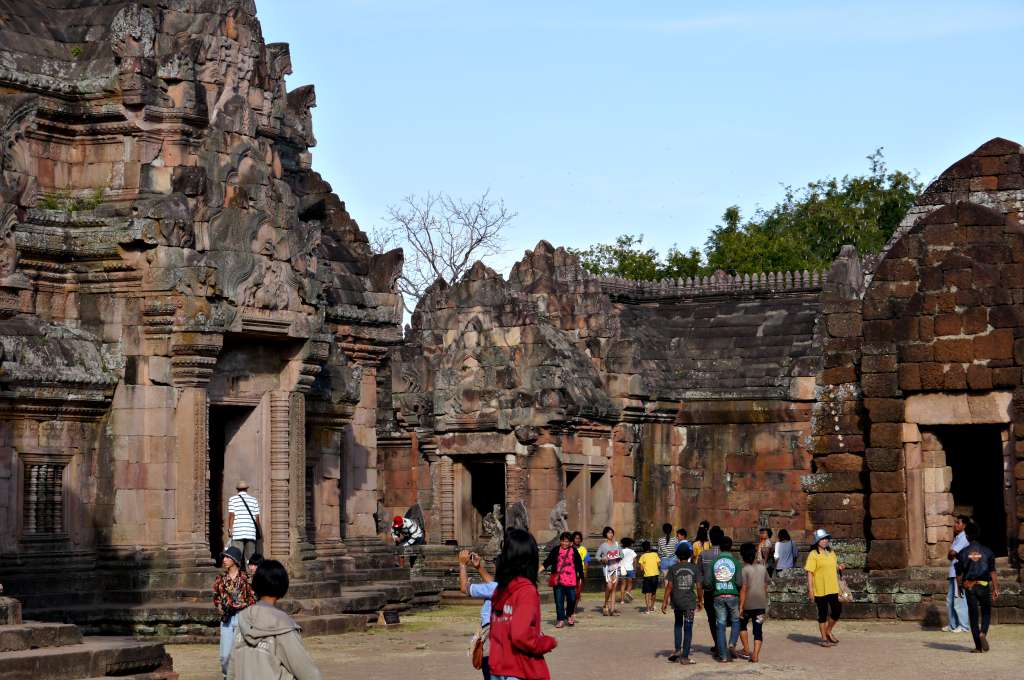
Examples of Cambodian (Khmer) architecture dating back to the 12th century can still be seen at ancient temples like Phanom Rung Historical Park (photo below) in Northeast Thailand. Brahmanism, the earliest form of Hinduism is still utilized by the Thai Royal Court. Brahmin priests still serve the needs of the Thai Monarchy. Auspicious events such as the Royal Plowing Ceremony, royal weddings, and coronations all involve Brahman rituals.
The Fusion of Religion and Spirituality in Thailand
Thailand’s Spiritual Fusion. I think that’s a rather catchy title that captures the essence of the subject, of the harmony, relationship, alliance, and merging of Buddhism, Hinduism, and Animism in Thailand.
I have already given you a brief introduction to Buddhism, Hinduism, and Animism and their respective roles in Thai society, but let’s examine the relationship a little closer and try to understand this spiritual fusion, which is unique to Thailand to only a handful of other countries.
The first form of worship known to man was Animism, and so Animism (spirit worship) was the first form of spiritual belief in Thailand. Hinduism, in its primary form of Brahmanism, was introduced to this land centuries before the first Thai kingdom of Sukhothai.
Buddhist influences have been traced back 2000 years, and it is suggested that Buddhism had a stronghold by the 6th century A.D.
Brahmanism is an ancient Vedic tradition that later developed into Hinduism and also had a strong influence on Buddhism. Although it is not widely practiced, it does have very close ties and, in many ways, seems to be incorporated into Thailand’s Buddhist practices.
The worship of Hindu deities in Thailand dates back to the pre-Buddhist era. It has remained deeply ingrained into the fabric of Thai culture, and there is a close relationship between Buddhism and Hinduism. Hence, there is no conflict.
Although the people of Thailand worship Hindu deities such as Brahma, they worship them not as Hindus but more likely as Animists who believe in the Hindu deity’s power of protection, mercy, and kindness.
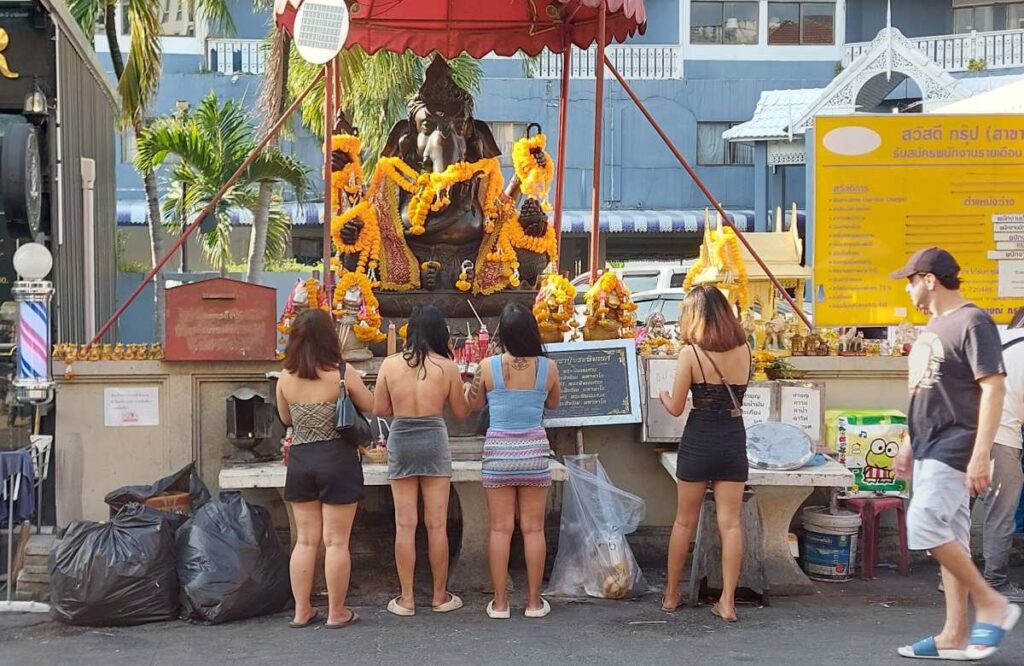
The photo above is of the Ganesh (Phra Phikanet) shrine on Soi Buakhao in Pattaya. Ganesh is revered as a benevolent deity and a remover obstacles. The girls in the photo are no doubt hoping their prayers will bring them fortune and success.
Just why Animism has maintained such a strong following in Thailand is a question best asked of philosophers and historians, but the fact is, most of the modern world that has adopted one of the major religions has relinquished Animism. It could be that the Buddhist and formerly Hindu beliefs in rebirth have somehow galvanized the Thais belief in ghosts and spirits, or ‘phi’ as they are commonly called in Thailand.
Many a scholar has written that Thai Buddhism has been strongly influenced by Thai Animist beliefs and has been accordingly adapted to cater to the Thai need to worship the spirits. In my estimation, the purest and most prolific example of Animism (spirit worship) is the ‘San Chao Tee’ spirit house; this is the smallest and most commonly used spirit house in Thailand; it is the home of the ‘Chao Tee’ (Lord Of The Land).
Visible signs of Thailand’s Spiritual Fusion
One of the best places to witness this spiritual fusion is underneath the canopy of one of Thailand’s sacred fig trees. The Sacred Fig Tree (Ficus Religiosa), also known as the “Bodhi Tree,” is itself significant because it was while sitting underneath a Sacred Fig Tree that Buddha gained enlightenment.
Around the base of the tree, there are often broken or discarded ‘San Chao Tee’ and ‘San Phra Phum’ spirit houses, which have both Animist and Hindu characteristics. Either on the ground, on purpose-made altars, or placed within the tree’s natural cavities or roots, many broken figurines of Buddha and Hindu deities such as Brahma and Ganesh can be found.
Pictures of former Thai Kings who have reached an almost divine status are amongst a host of other deities found under the protective canopy of the Sacred Fig Tree. In fact, any item or object of a religious, spiritual, or superstitious nature can be found underneath the sacred trees.
The reason is that broken or discarded objects of such significance should not be simply thrown away; the superstitious Thais believe this could invite bad luck and even the wrath of the spirits. The holy and spiritual sanctuary of the Sacred Fig Tree is seen as a suitable home for the displaced figurines and artifacts. Miniature elephants, dancing girls, and even toy cars and cigars are also respectfully placed under the tree as gifts to appease the tree’s resident spirit.
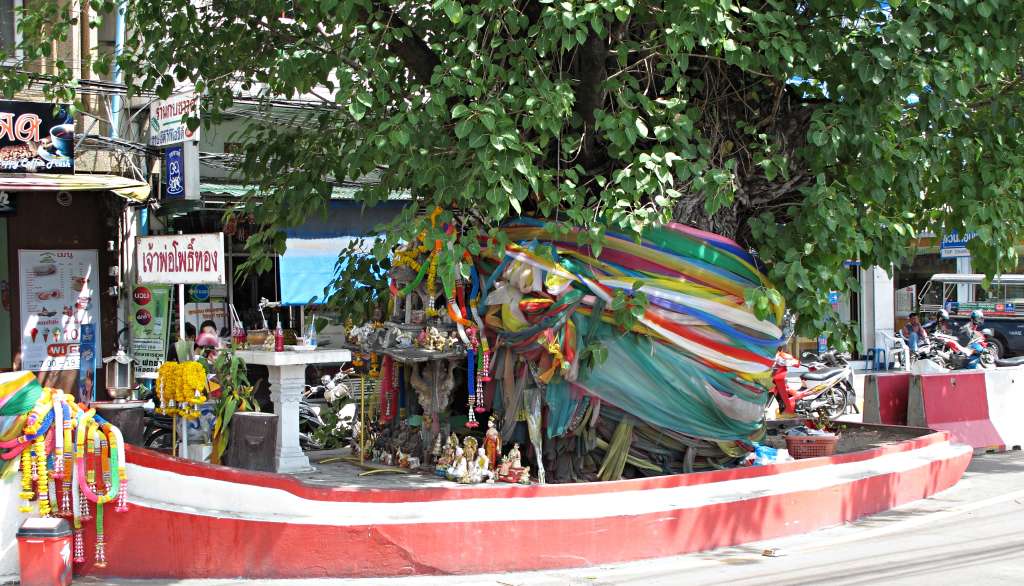
Sacred Fig Trees, like this famous tree in Pattaya (photo above), are worshiped and respected by Buddhists and Animists alike; it is a classic example of the religious and spiritual harmony that exists in Thailand.
The objects and figurines that bear testament to this spiritual fusion in Thailand can also be seen within most Thai households. Buddha will often sit on the highest altar in the living room, a portrait of Rama 5 might share the altar or sit on an altar just below Buddha. Ganesh is one of many Hindu deities that are often prominently placed in Thai households, and the 1 or 2 spirit houses positioned outside Thai residences and businesses represent both Animist and Hindu beliefs.
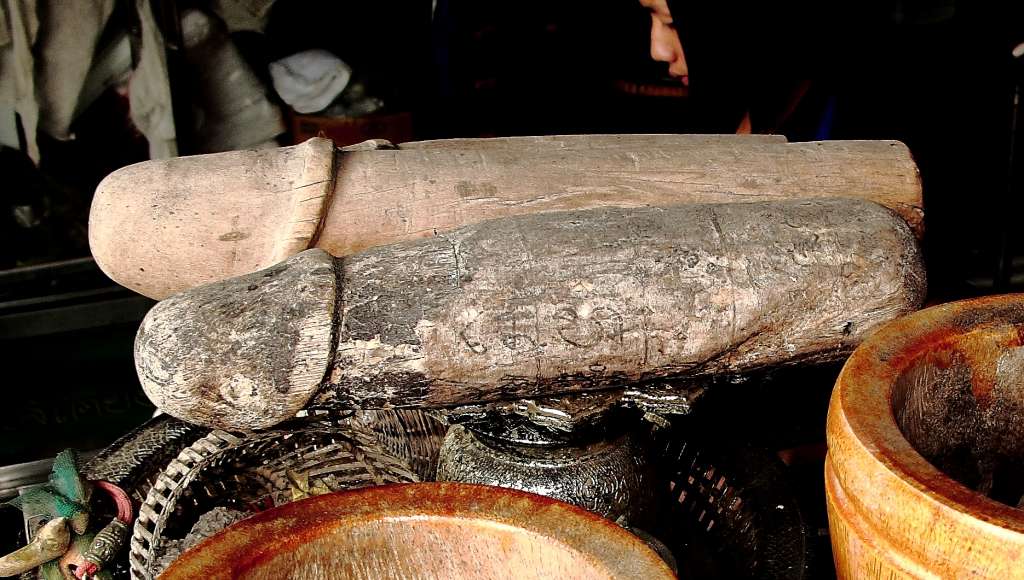
Thais also keep relics of their religious and spiritual beliefs close to their body, the Palad Khik is said to be a phallic form of the Hindu deity Shiva, it is worn by men for protection against evil spirits, it is also an Animist fertility charm, they are often blessed by a Buddhist monk to enhance their power. Buddhist Amulets and Sak Yant tattoos also offer protection, Thai men who believe in the power of evil spirits will often wear a string of Buddhist amulets around their neck.
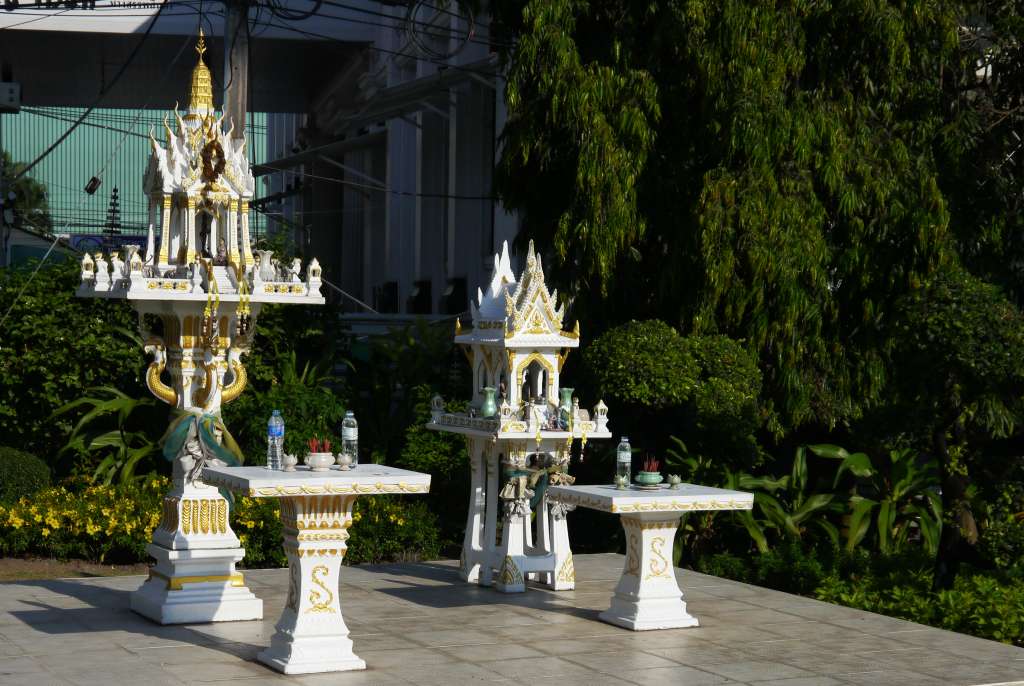
Thai Spirit Houses (photo above) symbolize the respect and belief the Thais have in the spirit world, and the power that Hindu deities offer for protection.
To sum up, at first, it may seem a little hotch-potch and confusing; It’s one of those subjects to which you could apply the term “the more you know, the less you understand.” To Thais, it makes sense, Thailand’s spiritual harmony is as old as Thailand itself, this unique blend of religion and spirituality has served the purposes of the Thais through good times and bad times.